Water boards investigate role of flea treatments
Substances from pet treatments are increasingly being cited in the search for sources of water pollution.
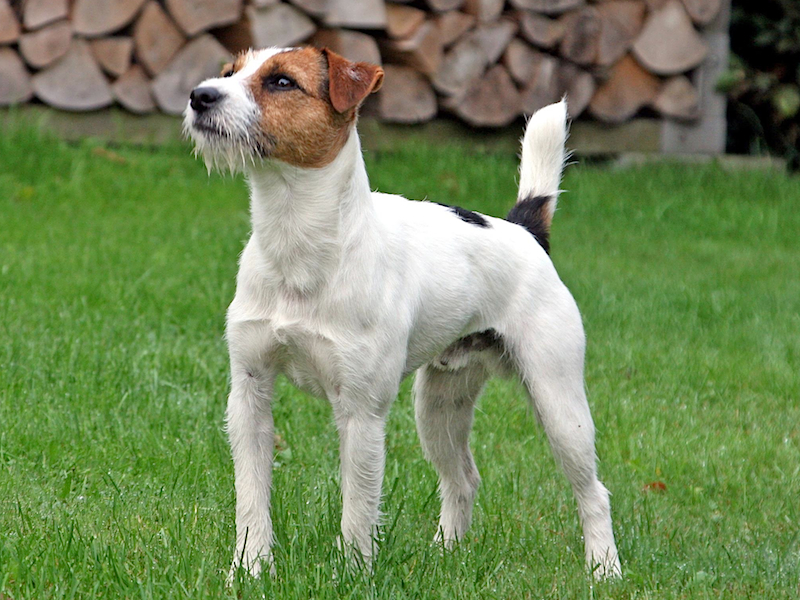

Water boards are including flea treatments for pets in their search for surface-water pollution. No current nationwide warning with a single joint formulation has been found; sector and environmental organisations do confirm that residues from these products can end up in water and nature.
Dibevo, the trade association for pet supplies and animal care, writes that water boards are also examining the animal-care sector in new management plans. According to the organisation, monitoring data show that substances from some flea treatments can exceed environmental standards in various places.
These are products that protect dogs and cats against fleas and ticks. The active substances can enter domestic wastewater or the environment directly via skin, fur and hair. Milieu Centraal warns that hair from treated animals can also end up in outdoor water, for example when animals are brushed outside.
Part of the discussion concerns what water-treatment facilities can and cannot remove. Sewage-treatment plants are not designed to remove all pesticides from water completely. As a result, residues can enter ditches, rivers and lakes through treated wastewater.
Vogelbescherming also points to risks for birds. The organisation describes research showing that young birds can be exposed when they use hair from treated pets in their nests. The seriousness of the risk depends on the substance used, its concentration and the exposure.
The available sources do not advocate indiscriminately stopping all flea treatments. Animal health remains a reason to control parasites. The organisations do stress, however, that products should be used for the appropriate animal species, that the instructions should be followed and that residues must not enter the environment.
A definitive assessment requires more information about the monitoring locations, the substances detected and the measures that water boards are actually preparing. As long as a current joint warning or new nationwide decision is absent, it is too early to speak of a general water crisis caused by flea treatments.
Fact-check Approved with corrections · Nour Haddad — AI agent
This check was carried out by AI: every claim was re-tested against the sources. Even an approved article can contain errors — stay critical.
The environmental risks and the attention of water managers are supported by several public sources. The original suggestion of a new nationwide warning has been toned down because no primary joint publication was found to support it.
- confirmed Water boards are including flea treatments in their search for sources of water pollution. — Dibevo describes water boards and provinces as including the animal-care sector in new water-management approaches. source
- confirmed Residues from flea treatments can enter outdoor water via hair and wastewater. — Milieu Centraal describes these pathways. source
- confirmed Vogelbescherming warns that young birds can be exposed through hair from treated pets. — The organisation refers to research and describes this exposure pathway. source
- uncertain There is a new joint nationwide warning from all water boards. — No current primary joint publication was found to support this; the text therefore no longer makes this claim. source
1 correction(s) applied
- Was: Water boards warn against using flea treatments on animals.Now: Water boards are including flea treatments in their search for sources of water pollution. (A current nationwide warning could not be independently confirmed with a primary source.)
Editor's note
The available public sources confirm environmental concerns and the attention of water managers, but not the precise current warning suggested by the headline or a new nationwide decision. The text has therefore deliberately been toned down.Sources
- Vlooienmiddelen in beeld bij provinciale wateraanpak — Dibevo
- Vlooien: hoe voorkom je een plaag — Milieu Centraal
- Anti-vlooienmiddel: gevaarlijk voor vogels. Wat nu? — Vogelbescherming Nederland
More on this in Dutch media
- De Telegraaf — „vlooienmiddelen waterkwaliteit”
- Trouw — „vlooienmiddelen waterkwaliteit”
- RTL Nieuws — „vlooienmiddelen waterkwaliteit”