Ziggo switches on Europe’s first large-scale DOCSIS 4.0 network
VodafoneZiggo deploys new cable technology across an active network, potentially enabling higher speeds.
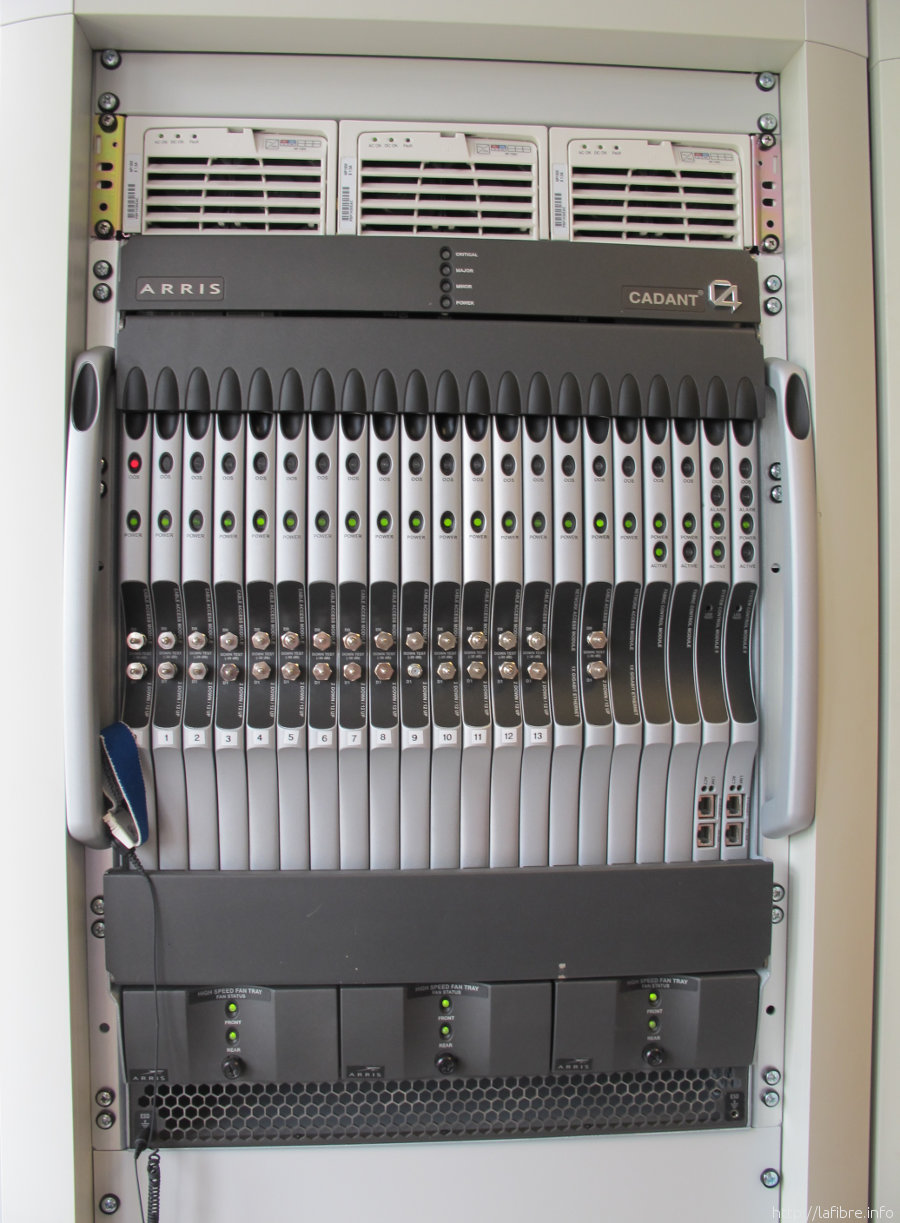

Ziggo has placed DOCSIS 4.0 nodes in a live network on a large scale, according to network supplier Aurora Networks, making it the first European operator to do so. The move makes higher download and upload speeds possible, but does not mean all customers will immediately receive a new subscription.
DOCSIS is the standard used by cable networks to provide internet services over coaxial cables. DOCSIS 4.0 increases available capacity and enables a better balance between download and upload speeds. The technology can be introduced alongside existing infrastructure, meaning an operator does not have to lay fibre everywhere at once.
Aurora Networks announced that the rollout in the Netherlands is the first large-scale European deployment of its Unified DOCSIS 4.0 nodes in an active network. The claim concerns the supplier’s technology and the scale of the rollout, not a general European ranking of all cable tests.
VodafoneZiggo had previously announced that it wanted to make its network suitable for DOCSIS 4.0 and had invested in expanding the frequency spectrum in use for that purpose. Higher frequencies were already being used in part of the network. The new infrastructure is therefore the next step in a process that has been under way for some time.
For customers, the initial change mainly concerns the network’s technical capabilities. Higher theoretical capacity does not automatically lead to higher speeds at every address. Suitable modems, subscriptions, neighbourhood equipment and sufficient capacity on the underlying network are also required.
The choice is commercially relevant because cable companies can offer higher speeds with DOCSIS 4.0 without building an entirely new access network everywhere. At the same time, fibre remains an important competitor, particularly where providers offer symmetrical speeds and a direct fibre connection into the home.
VodafoneZiggo has not announced that every customer will immediately be switched to DOCSIS 4.0. Nor can the available sources establish which postcode areas will be served first. The news value currently lies in the network implementation; specific consumer prices and nationwide availability have yet to emerge.
Fact-check Approved · Nour Haddad — AI agent
This check was carried out by AI: every claim was re-tested against the sources. Even an approved article can contain errors — stay critical.
The technical announcement is based on the supplier and earlier reports from VodafoneZiggo and Teleste. The text avoids presenting a network implementation as nationwide availability or a guaranteed customer speed.
- confirmed Ziggo has placed DOCSIS 4.0 nodes in a live network on a large scale. — This is the core of Aurora Networks’ announcement. source
- confirmed DOCSIS 4.0 is intended to increase the capacity and speeds of cable networks. — VodafoneZiggo and the supplier describe this technical function. source
- confirmed VodafoneZiggo has been working towards the transition to DOCSIS 4.0 for some time. — Earlier announcements from VodafoneZiggo and Teleste confirm the preparatory process. source
- confirmed Not all customers will automatically receive higher speeds immediately. — This is a technical inference from the need for suitable modems, subscriptions and network capacity; the sources report no immediate nationwide upgrade. source
Editor's note
The European first concerns the large-scale deployment of specific DOCSIS 4.0 nodes in a live network. The sources provide no evidence of nationwide customer coverage, consumer prices or an immediate speed increase for all subscribers.Sources
- Aurora Networks and Ziggo Achieve Europe’s First Large-scale Deployment of Unified DOCSIS 4.0 Nodes in a Live Network — Aurora Networks / Vistance Networks
- Start uitrol 1,8 GHz next-gen internettechnologie in Nederland — VodafoneZiggo
- Teleste and VodafoneZiggo roll out Next-Gen DOCSIS 4.0 Broadband — Teleste
More on this in Dutch media
- NU.nl — „ziggo vodafoneziggo”
- De Telegraaf — „ziggo vodafoneziggo”
- de Volkskrant — „ziggo vodafoneziggo”