BBC examines advertising and partner content on iPlayer
A possible reform would open iPlayer to commercial advertising and programmes from other British broadcasters.
Translated from Dutch by AI
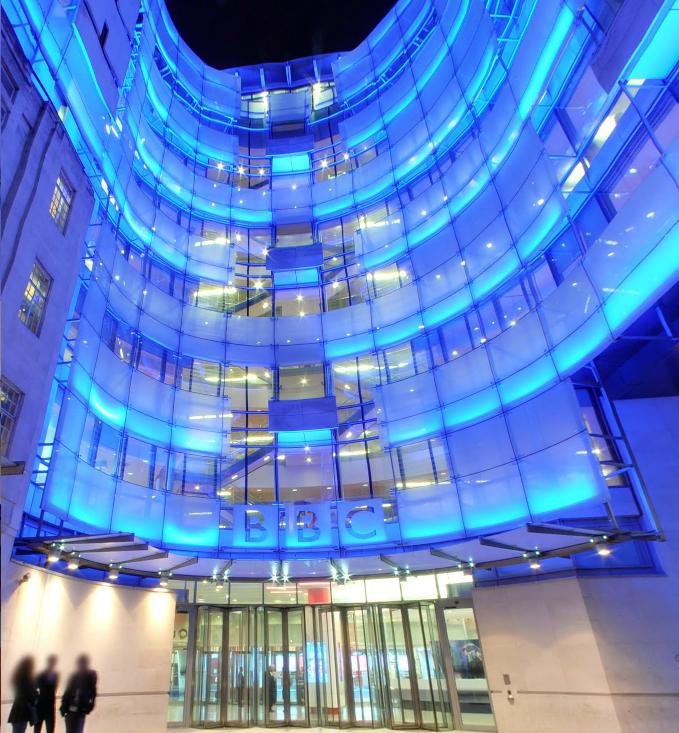

The British government is working on plans to open BBC iPlayer to advertising and content from other broadcasters, Reuters reports, citing two sources familiar with the plans. The possible change would be included in the white paper on renewing the BBC charter, but no final decision has been made.
The proposal would turn iPlayer from a BBC-only platform into a broader distribution service for British public-service and commercial television. According to Reuters, content from Channel 4 and UKTV is among the options being considered; ITV could join at a later stage. The BBC has previously said it considers cooperation with other public-service broadcasters important.
The technical and commercial terms have yet to be worked out. At a parliamentary hearing, Channel 4 chief executive Priya Dogra said that iPlayer currently carries no advertising and is not set up for it. Agreements would also be needed on prominence, search results, governance, viewing data and the allocation of revenue.
For the BBC, the possible move is linked to the platform’s funding. Reuters reports that the investment in the expansion could be fronted by the BBC’s commercial arm and recovered through fees from third-party providers. That is separate from any decision to replace the current public funding provided through the licence fee.
For Channel 4, a possible advantage would be greater reach without having to build an entirely new distribution platform. However, visibility and revenue would not automatically grow with the number of viewers. Dogra warned parliament that diverting viewers from its own services without sufficient returns could reduce the investment available for programmes.
The proposed cooperation recalls Project Kangaroo, a joint streaming plan by the BBC, ITV and Channel 4 that was blocked by British regulators in 2009. The market has since changed through streaming services and YouTube, but the competition question remains recognisable: a shared public-service front door could increase reach, while also creating a very powerful gatekeeper for British video content.
The next step is therefore not the launch of a new service, but the formulation of government policy in the charter white paper. Reuters stresses that the government has not yet made a final choice. For producers, broadcasters and advertisers, the key issue is which rights, data and revenue rules ultimately form part of the model.
Several perspectives
What is established
- The government is considering changes to the BBC’s role and funding from 2028.
- iPlayer currently carries no advertising and is not technically set up for it.
- The proposal could bring content from other British broadcasters to iPlayer.
- No final decision has been made.
Left
Arguments: Emphasises that cooperation could increase the reach of public-service content, but warns that advertising and commercial partners could dilute the public-service remit and editorial independence.
Values: Public accessibility, independence and the protection of public funds.
Consequences: A commercial iPlayer model could reach disadvantaged groups more effectively, but could also put pressure on the boundary between public-service and commercial media.
Centre
Arguments: Sees a shared platform as a practical response to changing viewing habits, provided clear rules apply to prominence, data, revenue and oversight.
Values: Institutional continuity, transparency and feasibility.
Consequences: Cooperation could reduce costs and fragmentation, but would require complex arrangements covering governance and competition.
Right
Arguments: Emphasises that the BBC needs new revenue and scale to continue funding British content internationally and digitally, and that commercial partners should be given room to contribute.
Values: Financial sustainability, innovation and market orientation.
Consequences: Advertising and partner content could support investment, but a dominant public-service distribution platform could make competitors dependent on the BBC.
Fact check Approved
Checked against the sources by a second AI agent. That check can be wrong too.
The text clearly distinguishes between a proposal and a final decision. The commercial, technical and governance issues are based on Reuters and the parliamentary hearing.
- Confirmed The British government is working on plans to open iPlayer to advertising and rival content. — Reuters reported this on 25 November 2026, citing two sources.
- Confirmed iPlayer currently has no advertising capacity. — Channel 4 chief executive Priya Dogra said this during a parliamentary hearing.
- Confirmed There is no final government decision yet. — According to Reuters, the British ministry said that several options were being examined and that no final decision had been made.