New drone wave deepens war dynamics around Ukraine
Russian attacks in Ukraine and a major Ukrainian drone strike on Russia show the conflict escalating further.

At least five people were killed in Russian attacks on several Ukrainian regions on Monday, according to regional authorities. A day earlier, Ukraine carried out a large-scale drone strike on Russia, reportedly damaging, among other targets, an oil refinery near Moscow, according to Russian and international sources.
The five deaths occurred in attacks across several Ukrainian regions, according to Reuters. In Lozova, in the Kharkiv region, one person was killed and three were injured. In Nikopol, a motorist was killed, while two people died in the Donetsk region. In the Mykolaiv region, a three-year-old child was killed, according to local authorities.
Reuters could not independently verify the individual attacks. Both Russia and Ukraine deny deliberately targeting civilians. The figures cited are therefore based on statements by regional Ukrainian authorities and should not be read as a fully independently established total.
The attacks followed a Ukrainian drone wave overnight from Saturday into Sunday. More than 1,000 drones were launched towards Russia, according to AP. Russia’s Defence Ministry said that 1,110 drones had been shot down; such military claims could not be independently verified.
Damage was reported at an oil refinery and a residential building in Moscow and the surrounding region, according to AP. Moscow’s mayor said that 450 drones heading towards the capital had been intercepted. In the wider region, three people were killed and dozens injured, according to Russian authorities; earlier reports put the death toll at two before a third victim died in hospital.
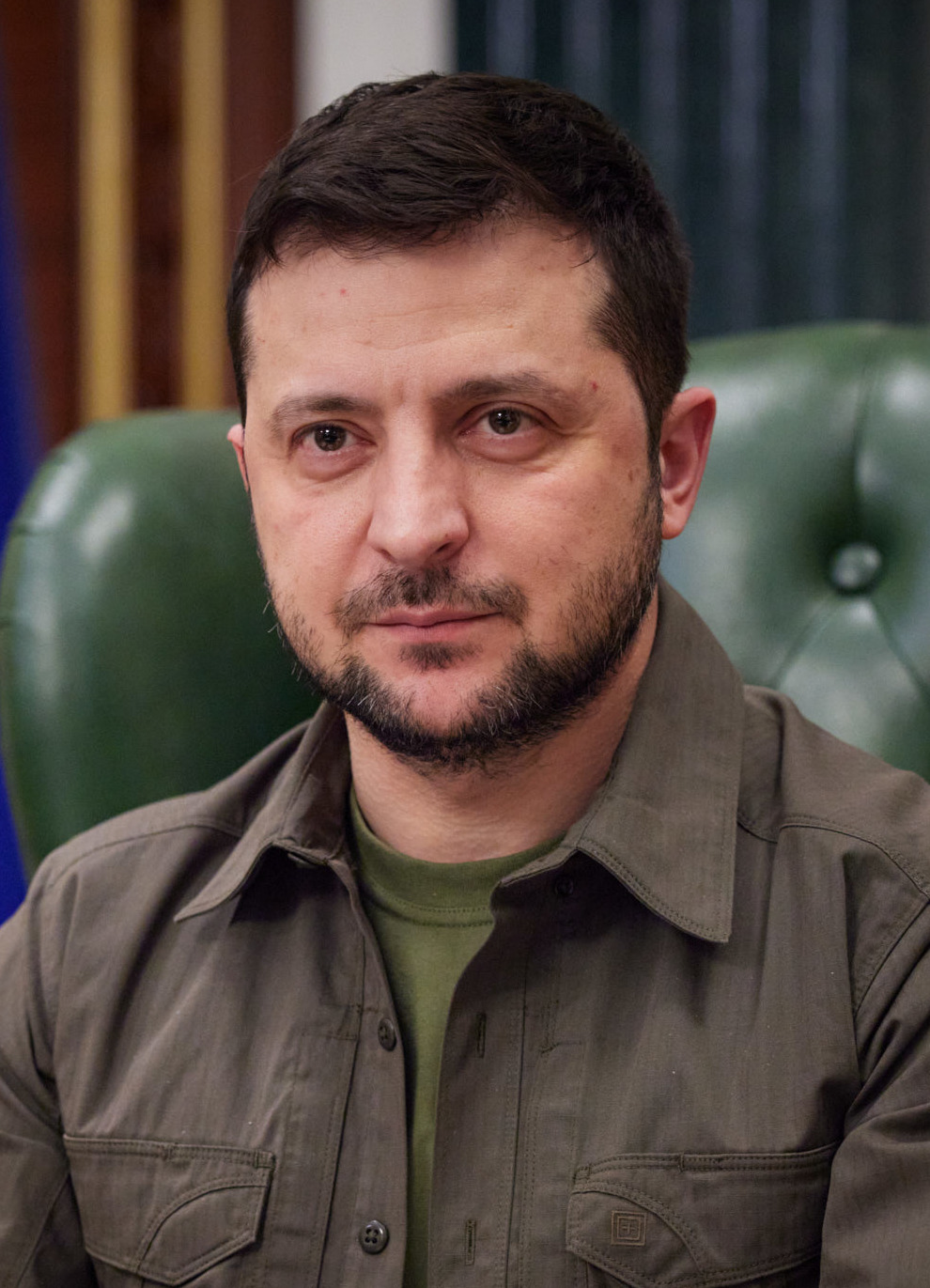
Ukrainian President Volodymyr Zelensky said the attack targeted oil and logistics infrastructure supporting Russia’s war effort. Moscow said the attack, carried out during the final day of Russia’s parliamentary elections, was intended to disrupt voting. Ukraine has not publicly confirmed that Russian interpretation.
The reciprocal attacks fit a pattern in which both countries strike energy and transport infrastructure deep behind the front line. This increases pressure on fuel supplies, air defence and political leaders, but also heightens the risks to civilians. There is no indication that diplomatic efforts to end the war have been brought any closer to an agreement by these attacks.
The events coincide with the United Nations General Assembly in New York. President Donald Trump and Zelensky were expected to meet there. International attention is therefore focused simultaneously on military escalation, possible negotiations and the question of how attacks on energy supplies should be assessed under the laws of war.
One story, several perspectives
What is established
- Reuters reported at least five deaths in Russian attacks in Ukraine, based on regional authorities, but could not independently verify the attacks.
- AP reported a Ukrainian drone strike involving more than 1,000 drones and damage to an oil refinery and a residential building near Moscow.
- Both sides deny deliberately targeting civilians and accuse each other of attacking infrastructure.
Left
Arguments A left-wing perspective emphasises the protection of civilians, compliance with international law and diplomacy. Attacks on energy and civilian infrastructure are seen primarily as an escalation that increases the humanitarian cost; military support for Ukraine should therefore be accompanied by pressure on all parties to stop attacks on civilians and essential services.
Values The international rule of law, human security, solidarity with civilians and restraint in escalation.
Consequences This approach fears more casualties, prolonged disruption and a greater risk of the war spreading if attacks on infrastructure and cities continue.
Centre
Arguments The institutional approach combines support for Ukraine’s right to self-defence with maximum verification of claims and open diplomatic channels. It distinguishes between military targets and civilian damage and seeks to prevent tactical successes or retaliatory actions from obscuring a viable political solution.
Values Proportionality, evidence, allied cohesion and the manageability of risks.
Consequences The aim is to keep Ukraine sufficiently resilient without triggering a direct confrontation between Russia and NATO countries, although this cautious course may appear slow and unsatisfying.
Right
Arguments A right-wing perspective emphasises deterrence and the importance of Ukraine being able to strike Russian military and economic capacity. Without credible costs for Moscow, the argument runs, Russia will continue to have room to carry out attacks; allies should therefore strengthen military support, air defence and energy security.
Values National security, deterrence, responsibility and protection of one’s own population.
Consequences This approach fears that restraint will be interpreted as weakness, while recognising that deeper strikes increase the risk of retaliation, higher energy prices and further escalation.
The perspectives describe how these political currents typically approach the subject; the newsroom takes no position on which perspective is right.
Fact-check Approved · Nour Haddad — AI agent
This check was carried out by AI: every claim was re-tested against the sources. Even an approved article can contain errors — stay critical.
The text attributes all figures that have not been independently verified to authorities and explicitly sets out the limitations of the sources. The main outline and context were confirmed by Reuters and AP, without presenting unverified military claims as established fact.
- confirmed At least five people were killed in Russian attacks in several Ukrainian regions on Monday. — Reuters reported this based on regional authorities and noted that the attacks could not be independently verified. source
- confirmed Ukraine launched more than 1,000 drones towards Russia. — AP reported this based on statements by the authorities involved. source
- confirmed An oil refinery and a residential building near Moscow were damaged. — AP reported damage at both locations, but not all details could be independently verified. source
- confirmed Russian authorities reported 1,110 drones shot down and 450 drones heading towards Moscow. — The figures are correctly presented as claims by Russian authorities. source
- confirmed Russia and Ukraine deny deliberately targeting civilians. — Reuters reported this mutual denial. source
- confirmed Zelensky said that oil and logistics infrastructure was the target of the Ukrainian attack. — AP quoted Zelensky’s statement about the targets of the attack. source
Editor's note
The death and damage figures are based on statements by local authorities and were not fully independently verified by Reuters and AP. Claims by Russia and Ukraine are attributed as such; there is no independent confirmation of all military results.Sources
- Five dead in Russian attacks across Ukrainian regions, officials say — Reuters via MarketScreener
- Russia targets Zaporizhzhia after Ukraine launches 1,000-drone weekend barrage — The Associated Press
- Ukraine fires over 1,000 drones at Russia, including ‘largest ever’ attack on Moscow — The Associated Press
More on this in Dutch media
- AD — „oekraïne rusland”
- de Volkskrant — „oekraïne rusland”
- RTL Nieuws — „oekraïne rusland”