New campaign warns young people with ‘Slappe Banaan’
A Dutch campaign uses uncomfortable vape flavours to alert young people to possible health risks.
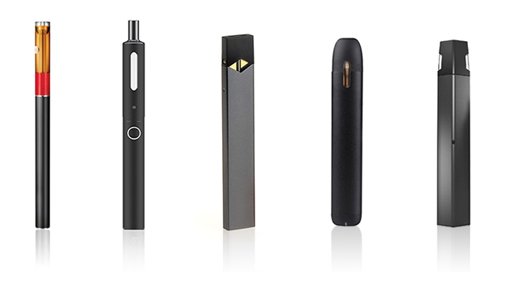

The Slappe Banaan campaign launched this week with fictitious vape flavours such as Slappe Banaan and Acné Aardbei. Its creators want to confront young people with the possible consequences of nicotine use, without promoting real vape products.
The campaign was set up by Vapen #jouwkeuze and a father from Gelderland who is concerned about vaping among young people. Colourful packages with names referring to possible effects on the skin and sexual functioning appear on posters and online. The campaign has been running since 5 October and targets schools, sports clubs, parents and youth organisations.
The creators deliberately use the same striking style as commercial vape products. They want to turn the appeal of flavours and packaging on its head: the focus is not on the sweet promise, but on the possible downside. The campaign is educational in nature and does not sell nicotine products.
The warnings used must nevertheless be read carefully. The campaign itself does not present new medical research into acne, erectile problems or other complaints. It is a communication tool intended to draw attention to existing concerns about nicotine use among young people.
That young people still come into contact with flavoured vapes is shown by research from the Trimbos-instituut. Of the young people who had vaped monthly in the preceding year, 85 per cent reported in that study that they had used a flavoured vape at some point. The research does not say that every user consequently develops health problems.
In the Netherlands, the sale of vapes with flavours other than tobacco is banned, but the Trimbos-instituut reports that flavoured products are still used in practice. The campaign aligns with broader concerns among doctors’ organisations about the availability of vapes to minors and the enforcement of sales rules.
Whether the campaign actually makes young people stop or prevents them from starting has not yet been investigated. The creators are calling on schools, associations and parents to distribute the material. For young people who already use nicotine, the campaign refers to existing cessation programmes; it does not present itself as a substitute for professional help.
One story, several perspectives
What is established
- The campaign uses fictitious vape flavours to educate young people.
- Research reports that many young people who vape use flavoured products.
- The effect of this specific campaign has not yet been measured.
Left
Arguments The government and the tobacco industry must do more to protect young people from addictive products and appealing marketing. Education is useful, but without stricter enforcement and restrictions on points of sale, too much responsibility remains with young people themselves.
Values Public health, protecting minors and reducing health inequalities.
Consequences More enforcement and prevention could reduce use, but would require public funds and could lead to debate about the boundary between education and paternalism.
Centre
Arguments A campaign can help as long as the information remains factual and is supplemented with accessible cessation support. The institutional approach combines regulation, monitoring and evaluation of campaigns.
Values Proportionality, evidence and feasibility.
Consequences A mixed approach makes policy less dependent on a single campaign, but is unlikely to produce a rapid fall in use.
Right
Arguments Young people and parents should receive clear information, but the government should be restrained in using campaigns that try to influence behaviour. Enforcing existing sales rules and the responsibility of parents and sellers deserve priority.
Values Individual choice, personal responsibility and limited government.
Consequences Fewer new rules reduce burdens on businesses, but according to this approach could also mean that vulnerable young people receive less protection.
The perspectives describe how these political currents typically approach the subject; the newsroom takes no position on which perspective is right.
Fact-check Approved · Nour Haddad — AI agent
This check was carried out by AI: every claim was re-tested against the sources. Even an approved article can contain errors — stay critical.
The campaign and the research data can be found in public sources. The text clearly distinguishes between campaign messages and proven research findings.
- confirmed The Slappe Banaan campaign started on 5 October 2026. — Mentioned on the campaign website. source
- confirmed The campaign uses fictitious names such as Slappe Banaan and Acné Aardbei. — Mentioned on the campaign website and by TielNieuws. source
- confirmed Eighty-five per cent of young people who vaped monthly had used a flavoured vape at some point. — Research finding from the Trimbos-instituut. source
- confirmed In the Netherlands, the sale of vapes with flavours other than tobacco is banned. — Described by the Trimbos-instituut. source
Editor's note
The launch of the campaign and the Trimbos figures cited can be verified. The medical references in the campaign are not new separate research and are therefore not presented as proven direct effects for every user.Sources
- Vapen. Jouw keuze — Slappe Banaan — Vapen #jouwkeuze
- Meerderheid vapende jongeren gebruikt nog steeds smaakjesvapes — Trimbos-instituut
- Vader uit Gelderland lanceert unieke anti-vapecampagne — TielNieuws
- Stop verkoop van vapes aan minderjarigen — KNMG
More on this in Dutch media
- AD — „vapen jongeren”
- de Volkskrant — „vapen jongeren”
- RTL Nieuws — „vapen jongeren”