Bluefin tuna returns to British waters
The return around Cornwall shows, according to conservationists, that fish stocks can recover when countries work together over many years.
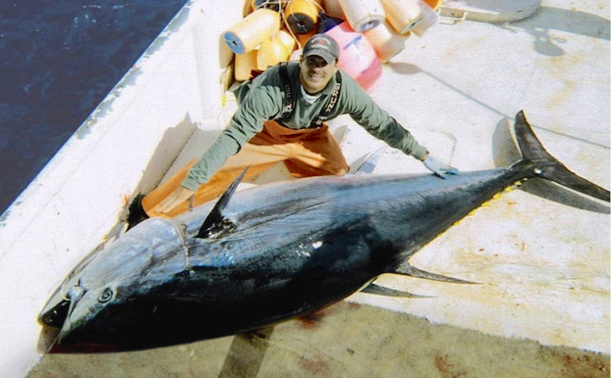

Bluefin tuna have returned to British coastal waters after decades of scarcity, particularly around Cornwall. The return is seen as an example of nature recovery thanks to quotas, protection of spawning grounds and international cooperation. At the same time, the global biodiversity crisis remains severe.
The return of the Atlantic bluefin tuna features in WWF’s new Living Planet Report. The species had virtually disappeared from British waters after overfishing severely depleted stocks in the Atlantic Ocean. According to WWF and British conservationists, the fish are now being seen regularly again in the south-west of the United Kingdom.
The improvement is not the result of a single measure. Stricter catch quotas and limits on the size of fish were introduced for the fishing industry. Spawning grounds were also better protected, and compliance with international agreements was strengthened. Cornwall Wildlife Trust writes that the return is probably linked to improved fisheries management.
The development does not mean that the species is safe everywhere or that all problems have been solved. Bluefin tuna remain dependent on international agreements because the fish travel long distances and are caught in several countries. A larger stock could also create new pressure on fisheries if quotas are expanded too quickly.
Alongside examples of recovery, the WWF report also paints a more sombre picture. The average size of monitored vertebrate populations fell by 73 per cent between 1970 and 2022. This is not a measure of the number of animals worldwide, but of changes in populations tracked in the index.
According to the researchers, the contrast shows that nature policy can deliver results, but that recovery does not happen automatically. The bluefin tuna required long-term international agreements, scientific monitoring and controls on fishing. The return to British waters is therefore mainly an example of what targeted management can achieve, rather than evidence of a general reversal in biodiversity loss.
For fishers and coastal communities, the return could offer economic opportunities, but only within sustainable limits. The question is how commercial fishing, recreational fishing and protection of the species can coexist. The coming years will show whether the increase remains stable and whether other regions experience comparable recovery.
One story, several perspectives
What is established
- Bluefin tuna are being seen again in British coastal waters.
- The return is linked to fisheries management and international agreements.
- The global Living Planet Index simultaneously reports an average decline of 73 per cent in monitored populations.
- The recovery of bluefin tuna remains dependent on continued management.
Left
Arguments The return shows that collective nature policy works and that economic systems must adapt to ecological limits. Quotas and protected areas must remain the guiding principles, even when fishers and traders want higher catches.
Values Biodiversity, intergenerational justice and the protection of public goods.
Consequences Strict management may limit returns in the short term, but increases the likelihood of stable fisheries and healthy ecosystems.
Centre
Arguments A balanced approach combines scientific monitoring with predictable quotas and room for coastal communities. Decisions should be reviewed periodically on the basis of measurement data, without taking recovery for granted.
Values Practical feasibility, continuity and evidence-based policy.
Consequences This can preserve economic opportunities while preventing overfishing, but requires continued oversight and international coordination.
Right
Arguments Recovery offers opportunities for fishers and coastal businesses when the government establishes clear ownership and catch rights. Management must be effective and prevent rules from becoming so burdensome that legal businesses are displaced by illegal fishing.
Values Economic freedom, responsibility and the protection of local communities.
Consequences More room for commercial activity can strengthen regional prosperity, but quotas that are too generous could undermine the recovery once again.
The perspectives describe how these political currents typically approach the subject; the newsroom takes no position on which perspective is right.
Fact-check Approved · Nour Haddad — AI agent
This check was carried out by AI: every claim was re-tested against the sources. Even an approved article can contain errors — stay critical.
The positive development has been confirmed by a new WWF report and independent reporting. The article limits the claim to British waters and makes clear that the recovery remains vulnerable.
- confirmed Bluefin tuna have returned to British waters, particularly around Cornwall. — Described by WWF-UK, The Guardian and Cornwall Wildlife Trust. source
- confirmed Stricter quotas and fisheries management are contributing to the return. — Supported by WWF-UK and Cornwall Wildlife Trust. source
- confirmed The average size of monitored vertebrate populations fell by 73 per cent between 1970 and 2022. — Figure from WWF’s 2026 Living Planet Report. source
- confirmed The 73 per cent figure measures population size and is not a count of the total number of animals. — Methodological explanation accompanying the Living Planet Index; the report measures monitored populations. source
- confirmed The species remains dependent on international agreements because it travels long distances. — The international fisheries context and cross-border management are supported by the sources cited. source
Editor's note
The return of bluefin tuna and the measures associated with it have been described by WWF, The Guardian and Cornwall Wildlife Trust. The recovery remains vulnerable; the global biodiversity index is not a count of all animals.Sources
- Living Planet Report 2026 Press Release — WWF-UK
- World must change way it produces food to avoid biodiversity collapse — The Guardian
- Atlantic bluefin tuna — Cornwall Wildlife Trust