Zelensky offers to halt refinery attacks in return for Russian move
Ukraine says it is willing to halt attacks on Russian oil refineries if Moscow leaves Ukrainian energy infrastructure untouched.
Follow-up to: Trump calls for new president of Ukraine Saturday, 10 October 2026, 20:45
Listen to this article
There is no audio version yet. Request one and an AI voice will read the article aloud.
Read by an AI voice.
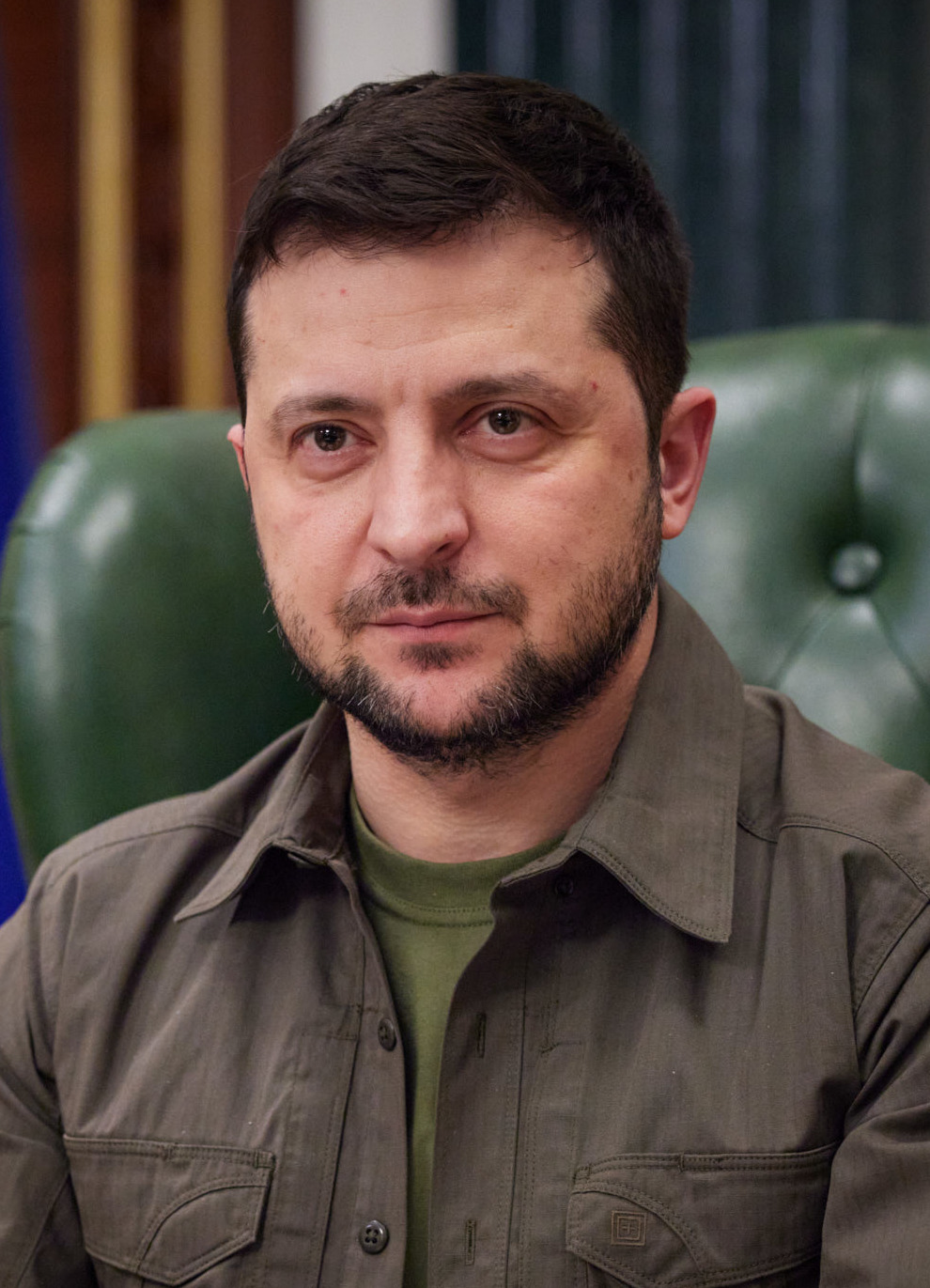

President Volodymyr Zelensky said on Sunday that Ukraine was prepared to stop attacking Russian oil refineries. He said Russia would first have to end its attacks on Ukrainian energy infrastructure.
Zelensky made his proposal in a social media post, against a backdrop of mounting pressure from Washington. The Ukrainian president was responding to US President Donald Trump’s call for Russian refineries to no longer be attacked.
According to Reuters, Zelensky said any de-escalation would have to be mutual and accompanied by reliable guarantees. He therefore presented his message not as a unilateral undertaking, but as a conditional offer to Moscow.
No agreement has therefore been reached yet. Public reporting on the statement does not say that Russia has accepted the condition. Nor is it clear which body would be responsible for monitoring compliance or which energy installations exactly would be covered by any potential agreement.
The attacks on energy facilities have become part of the wider air war between Russia and Ukraine. Ukraine has recently targeted Russian refineries and other infrastructure important to fuel supplies. Russia, for its part, attacks Ukrainian energy facilities, particularly as Kyiv prepares for winter.
Trump had publicly asked Kyiv in recent days to end the attacks on Russian refineries. According to The Associated Press, he did so in the context of an agreement with Russian President Vladimir Putin concerning diesel. Washington says attacks on refineries could put pressure on the fuel market; Kyiv points out that its attacks are a response to Russian attacks on Ukrainian infrastructure.
Zelensky’s statement is chiefly politically significant: Kyiv is seeking to make clear that it is willing to enter into a limited arrangement, but not without simultaneous Russian obligations. On Sunday afternoon, it was still uncertain whether Moscow would accept the proposal and whether international mediators could devise a verifiable mechanism.
One story, several perspectives
What is established
- Zelensky has proposed a conditional halt to Ukrainian attacks on Russian oil refineries.
- The condition is that Russia stops attacking Ukrainian energy infrastructure.
- No agreement or monitoring mechanism had been reported by Sunday afternoon.
Left
Arguments A ceasefire covering energy facilities could protect civilians from attacks on installations needed for heating and electricity. It would, however, have to be mutual, verifiable and not intended to put one-sided pressure on Ukraine to disarm.
Values Protection of civilians, international law and equality between the parties.
Consequences An agreement could limit humanitarian damage, but a poorly monitored arrangement could give Russia room to recover militarily.
Centre
Arguments A limited agreement on energy infrastructure merits examination, but only with clear definitions, independent monitoring and arrangements for sanctions in the event of violations.
Values Institutional oversight, predictability and practical damage limitation.
Consequences A verifiable arrangement could reduce escalation; uncertainty over targets and exceptions could instead cause new conflicts.
Right
Arguments Ukraine should not give up its military pressure while Russia continues the war. A pause without firm guarantees could spare the Russian war machine and make Ukraine more vulnerable.
Values Deterrence, national security and the right to repel attacks.
Consequences Continuing the attacks could damage Russian capacity, but also increases the risk of further escalation and pressure on fuel markets.
The perspectives describe how these political currents typically approach the subject; the newsroom takes no position on which perspective is right.
Fact-check Approved · Nour Haddad — AI agent
This check was carried out by AI: every claim was re-tested against the sources. Even an approved article can contain errors — stay critical.
The article’s core is confirmed by Reuters and AP. Uncertainties over Russian agreement and the feasibility of an accord are explicitly identified as uncertain.
- confirmed Zelensky said on 11 October that Ukraine wanted to stop attacks on Russian oil refineries if Russia halted attacks on Ukrainian energy infrastructure. — Confirmed by Reuters and AP. source
- confirmed Zelensky linked any potential de-escalation to reciprocity and guarantees. — Reuters reports that Zelensky spoke of mutual steps and real guarantees. source
- confirmed Trump had asked Ukraine to stop the attacks on Russian refineries. — Confirmed by AP. source
- confirmed No agreement between Russia and Ukraine on the proposal had been reported by Sunday afternoon. — The reporting consulted describes a conditional proposal, not a concluded agreement. source
Editor's note
It is certain that Zelensky proposed a conditional halt. A Russian response, a formal agreement and a monitoring mechanism were still absent.Sources
- Ukraine will halt strikes on refineries if Russia stops energy attacks, Zelenskiy says — Reuters via Investing.com
- Kyiv pushes back on Trump's call for a new Ukrainian president as drones hit Russian data hub — The Associated Press
The story so far
- Friday, 9 October 2026, 21:44 Trump announces 300,000-tonne Russian diesel deal
- Saturday, 10 October 2026, 06:48 US temporarily make Russian diesel tradable again
- Saturday, 10 October 2026, 10:45 Deadly attack puts Trump's diesel deal under pressure
- Saturday, 10 October 2026, 20:45 Trump calls for new president of Ukraine
- Saturday, 10 October 2026, 22:48 British prime minister promises Zelensky support after Trump criticism
- Sunday, 11 October 2026, 14:57 Zelensky offers to halt refinery attacks in return for Russian move (this article)
More on this in Dutch media
- de Volkskrant — „oekraïne rusland”
- RTL Nieuws — „oekraïne rusland”
- NOS — „oekraïne rusland”