India open to concerns over controversial privacy law
Government responds to legal action by news publishers who fear for investigative journalism.
Listen to this article
There is no audio version yet. Request one and an AI voice will read the article aloud.
Read by an AI voice.
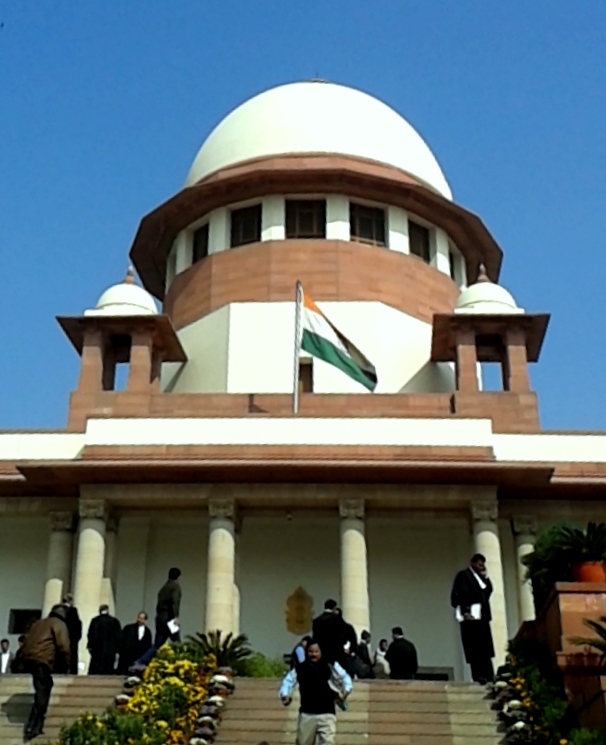

The Indian government says it is open to comments from news organisations about the digital privacy law. This follows objections filed by dozens of publishers with the Supreme Court against provisions they say could make journalistic investigations and source protection more difficult.
Information Technology Minister Ashwini Vaishnaw said on Wednesday that the government was willing to discuss editors’ concerns. He said the Indian constitution protects journalistic freedom and that there was no intention of undermining it.
The case concerns the Digital Personal Data Protection Act of 2023 and the accompanying rules. News publishers say the law contains insufficient exemptions for journalistic activities. They fear that editorial offices may increasingly have to ask permission to collect and publish personal data about people they write about.
The Supreme Court of India asked the government earlier this week to respond to the complaint from the Digital News Publishers Association. According to Indian media, the judge stressed that privacy rights and press freedom must be weighed against each other.
The publishers also point to the possible consequences for investigations into abuse of power, companies and public officials. They fear that those involved could subsequently try to have information removed, or that sources could become indirectly identifiable through requests for personal data.
The government says the law is intended to protect citizens’ personal data, not to censor journalism in advance. The judge has not yet issued a substantive ruling on the law. The next step is the government’s response in the ongoing proceedings.
For Dutch readers, the case is relevant because it shows how privacy rules can clash with journalistic exemptions. Similar questions are being discussed in Europe around data protection, source protection and access to information, but the Indian law and legal case are separate from European regulations.
Also show the region and a close-up
One story, several perspectives
What is established
- The Digital News Publishers Association has challenged provisions of the privacy law.
- The Supreme Court has asked the government for a response.
- The government says it wants to protect press freedom.
- The judge must weigh privacy rights against journalistic freedom.
Left
Arguments A broad privacy law without a strong journalistic exemption could weaken investigative journalism and scrutiny of power. The state must explicitly safeguard source protection and publication in the public interest.
Values Press freedom, democratic accountability and protection of whistleblowers.
Consequences Without an exemption, editorial offices could become more cautious and those in power could strategically use privacy rules against critical reporting.
Centre
Arguments Privacy and press freedom are both fundamental rights. A proportionate regime with clear exemptions, independent scrutiny and avenues for redress can protect both interests.
Values The rule of law, balance and predictable rules.
Consequences The law could give citizens greater control over their data, but the courts and legislature must prevent journalism from requiring prior permission.
Right
Arguments Citizens deserve protection against the unnecessary dissemination of personal data, including when the media collect that data. Journalistic exemptions must not mean that editorial offices can publish anything without accountability.
Values Individual privacy, responsibility and protection against digital harm.
Consequences Strict rules can increase trust in digital services, provided they are not used to keep public abuses hidden.
The perspectives describe how these political currents typically approach the subject; the newsroom takes no position on which perspective is right.
Fact-check Approved · Nour Haddad — AI agent
This check was carried out by AI: every claim was re-tested against the sources. Even an approved article can contain errors — stay critical.
The legal proceedings and the government’s response have been confirmed by several Indian sources and Reuters. The possible effects on journalism are presented as the publishers’ positions, not as established consequences.
- confirmed The government says it is open to comments from news organisations — Statement by Minister Ashwini Vaishnaw, reported by Reuters. source
- confirmed The Supreme Court asked the government to respond — Reported by New Indian Express and Supreme Court Observer. source
- confirmed Publishers fear consequences for source protection — This is the DNPA’s argument in the legal case. source
Editor's note
The legal case and the minister’s response have been independently reported by Reuters and Indian legal news sources. The law’s eventual consequences for editorial offices have not yet been established.Sources
- India will listen to media concerns on disputed privacy law — Reuters via MarketScreener
- Supreme Court notice to Centre after publishers challenge data protection law — New Indian Express
- DPDP Act: Supreme Court Challenges Data Protection Law Impacting Press Freedom — Supreme Court Observer
More on this in Dutch media
- Het Parool — „india privacy”
- Trouw — „india privacy”
- NRC — „india privacy”