Nicotine use high among vocational students
A new monitor shows that around one-third smoke and more than a quarter vape.
Listen to this article
There is no audio version yet. Request one and an AI voice will read the article aloud.
Read by an AI voice.
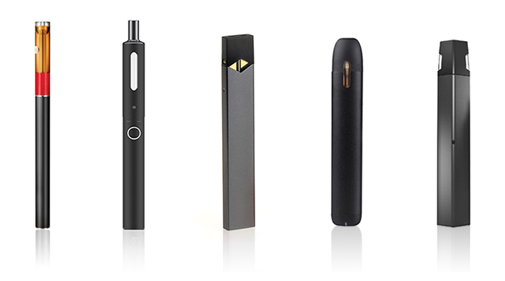

Nicotine use is widespread among vocational students, according to the Monitor of Mental Health, Substance Use and Broad Health Indicators 2024–2025. Around one-third smoke, while more than a quarter use an e-cigarette or vape.
The monitor is based on data from TestJeLeefstijl and describes the health and lifestyle of vocational students in the 2024–2025 academic year. According to the Trimbos Institute, around one-third of students smoke; 16 per cent smoke daily. More than a quarter use a vape or e-cigarette, often alongside ordinary cigarettes.
The Trimbos Institute writes that the proportion of smokers appears to have increased slightly since 2020. The wording is cautious: the monitor describes a development in the figures measured, but does not prove that one specific cause is responsible for this change.
According to Trimbos, use differs significantly from that among students in higher professional education and university education. The monitor also reports that nearly seven in ten vocational students drink alcohol. Among minors, the researchers say, alcohol use occurs about as often as among adults.
For cannabis and other drugs, the monitor finds no major change. A quarter say they have ever used drugs and 11 per cent did so recently. These figures concern use in a broad sense and do not mean that all students use drugs regularly or problematically.
The findings are particularly relevant to schools, municipalities and prevention organisations. The monitor shows that information about nicotine cannot focus only on traditional cigarettes: according to Trimbos, combined use with vapes is common. The figures concern groups and make no judgement about the health or behaviour of an individual student.
The MBO Council calls the monitor a national picture of student wellbeing and substance use. For policymakers, the question remains how schools can combine prevention with support for students who already use nicotine daily. The usage figures alone do not show which intervention works best.
One story, several perspectives
What is established
- The 2024–2025 monitor reports that around one-third of vocational students smoke.
- According to Trimbos, 16 per cent smoke daily and more than a quarter use a vape or e-cigarette.
- The monitor describes differences from students in higher professional education and university education and gives no individual medical advice.
Left
Arguments Typically emphasises that nicotine use is linked to social circumstances and that prevention and accessible help should be available to students.
Values Public health, equal opportunities and the protection of young people.
Consequences Warns that differences between educational levels could develop into long-term health inequalities.
Centre
Arguments Typically emphasises that schools, parents and health services should provide sensible prevention together, allowing room for support rather than relying solely on sanctions.
Values Effectiveness, proportionality and feasibility.
Consequences Calls for policies that both reduce nicotine use and ensure that students who already use nicotine are not left out of sight.
Right
Arguments Typically emphasises the responsibility of students and parents and may be cautious about additional rules for schools or products.
Values Personal responsibility, freedom of choice and limited government intervention.
Consequences Fears that broad bans could shift use to other products or make enforcement more complicated.
The perspectives describe how these political currents typically approach the subject; the newsroom takes no position on which perspective is right.
Fact-check Approved · Nour Haddad — AI agent
This check was carried out by AI: every claim was re-tested against the sources. Even an approved article can contain errors — stay critical.
The key figures and the reported caution can be found in the Trimbos monitor and the accompanying MBO Council publication. No unverified medical claims or individual conclusions have been added.
- confirmed Around one-third of vocational students smoke. — Trimbos states this for the 2024–2025 monitor. source
- confirmed Sixteen per cent smoke daily. — Mentioned on the Trimbos information page. source
- confirmed More than a quarter use an e-cigarette or vape. — Mentioned on the Trimbos information page. source
Editor's note
The monitor gives percentages for groups of students; causes and individual health risks have not been established.Sources
More on this in Dutch media
- NRC — „mbo nicotine”
- NU.nl — „mbo nicotine”
- De Telegraaf — „mbo nicotine”