AI use over Keti Koti puts politicians under pressure
An AI detector marked a Keti Koti speech as largely machine-written, while the state secretary involved says he devised the text himself.
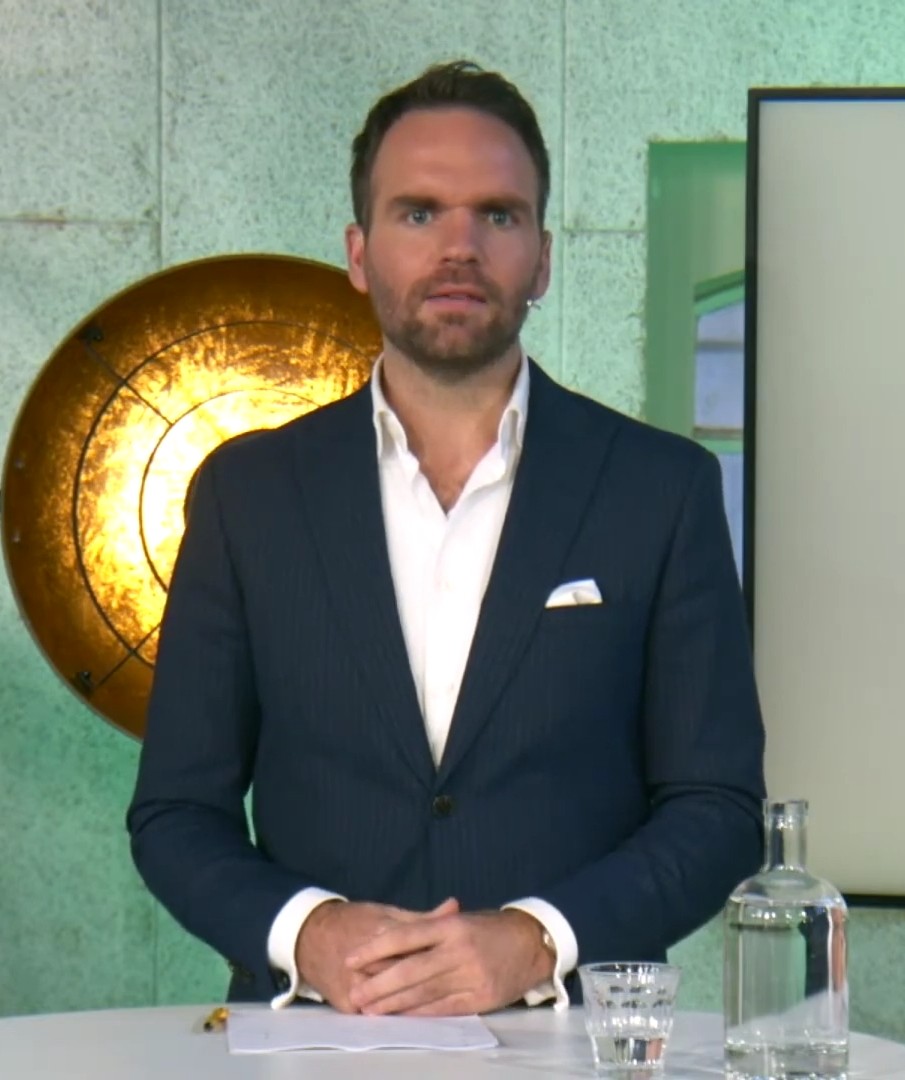

The use of artificial intelligence in political communication is once again prompting debate about personal credibility. Nieuwsuur reported that 95 per cent of a Keti Koti speech by State Secretary Derk Boswijk consisted of AI-generated text according to detector Pangram; that result in itself does not prove who wrote the text.
The speech was delivered during Keti Koti, the annual commemoration of the Netherlands’ history of slavery. Nieuwsuur put passages to Boswijk, who said the text was personal and that he had devised its structure himself. According to the programme, he could not explain why the detector indicated such a high proportion of AI-generated text.
Pangram assesses text for patterns often associated with language models. Such an analysis may be an indication, but does not establish that a text was actually generated by AI. Human-written texts can also be misclassified by a detector, particularly when they are formal or heavily edited.
The matter is connected to earlier reporting about Prime Minister Rob Jetten and D66. Jetten confirmed to RTL Nieuws that AI had been used for hundreds of social-media posts. He said such posts are checked by people and that he would continue to use AI as a tool.
This means two discussions are becoming intertwined. In Jetten’s case, according to the public sources, the issue mainly concerns social-media posts and other personal communication. The Keti Koti speech reported on by Nieuwsuur was, according to the same reporting, delivered by Boswijk himself.
The political question is therefore broader than whether a language model has touched a text. It also concerns the way politicians present personal experiences, commemorations and apologies. Readers and listeners may have different expectations when a message is presented as personal.
As far as the sources consulted show, the Netherlands has no general rule requiring every use of AI in political texts to be disclosed publicly. However, pressure is growing on parties and ministries to make clear when AI is used only for editing and when it has made a substantial contribution to the content.
One story, several perspectives
What is established
- A detector marked 95 per cent of Boswijk’s speech as AI-generated text.
- Boswijk said he had devised the structure himself.
- Jetten confirmed the use of AI for social-media posts and said that people check the texts.
Left
Arguments Politicians must be fully transparent when AI is used for personal or historical messages, because machine-generated text can imitate human experiences.
Values Authenticity, inclusivity and scrutiny by citizens.
Consequences A lack of openness can damage the trust of affected communities, particularly during commemorations.
Centre
Arguments AI can be permitted as an editorial tool, but governments and parties need clear internal rules and disclosure arrangements.
Values Practical innovation, diligence and institutional reliability.
Consequences A proportionate framework prevents both false certainty about detectors and opaque use.
Right
Arguments Political responsibility remains with the elected office-holder; tools are acceptable as long as the content is checked and the office-holder stands behind it.
Values Individual responsibility, efficiency and administrative decisiveness.
Consequences Too many rules can slow communication, but concealed outsourcing can undermine trust in leaders.
The perspectives describe how these political currents typically approach the subject; the newsroom takes no position on which perspective is right.
Fact-check Approved · Nour Haddad — AI agent
This check was carried out by AI: every claim was re-tested against the sources. Even an approved article can contain errors — stay critical.
The text distinguishes between detector results and proven authorship. The reporting on Jetten and Boswijk comes from public NOS and RTL publications.
- confirmed Pangram classified 95 per cent of Boswijk’s Keti Koti speech as AI-generated text. — This is the detector result reported by Nieuwsuur, not a finding about authorship. source
- confirmed Boswijk said he had devised the structure of the speech himself. — Reported in Nieuwsuur’s coverage. source
- confirmed Jetten confirmed the use of AI for hundreds of social-media posts. — RTL Nieuws describes Jetten’s statement and his position on human oversight. source
- confirmed The Keti Koti speech reported on by Nieuwsuur was delivered by Boswijk. — This is stated in NOS Nieuwsuur’s reporting. source
Editor's note
The detector result and the statements by Boswijk and Jetten can be checked. An AI detector cannot prove authorship; the sources provide no conclusive evidence that the Keti Koti speech was written fully or largely by AI.Sources
- Jetten deed het op sociale media, deze kabinetsleden schreven hele speeches met AI — NOS Nieuwsuur
- Premier Jetten vreest niet voor geloofwaardigheid door AI-teksten — RTL Nieuws
- Ketikoti 2026 — NPO Radio 1
More on this in Dutch media
- NOS — „keti koti”
- Het Parool — „keti koti”
- Trouw — „keti koti”