New immunotherapy works in mice without cell culture
Researchers programmed immune cells directly inside the body, but human treatment is not yet on the horizon.
Listen to this article
There is no audio version yet. Request one and an AI voice will read the article aloud.
Read by an AI voice.
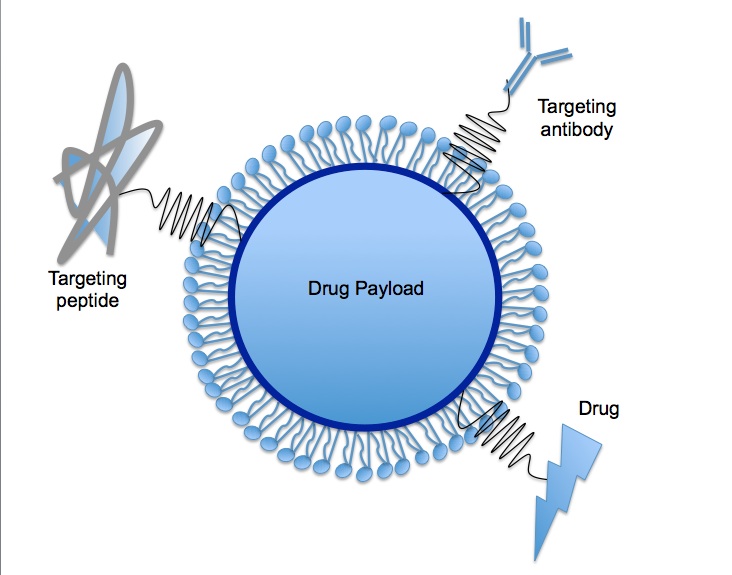

Researchers at MIT have published a method for genetically programming natural killer cells inside the bodies of mice. The study appeared on Tuesday in Nature Biotechnology and shows results in models of cancer and autoimmune disease, but is not yet a treatment for humans.
The researchers used lipid nanoparticles to deliver messenger RNA to natural killer cells, or NK cells for short. The RNA contained instructions for a so-called chimeric antigen receptor. That receptor is intended to help the NK cells recognise specific diseased T cells or tumour cells.
The advantage of this approach is that the cells do not first have to be removed from the body, modified in a laboratory and then put back. That process makes existing cell therapies complicated and expensive. The new method is designed to programme the cells directly inside the body.
In a mouse model, around 80 per cent of the targeted NK cells were programmed. In a melanoma model, three of the five treated mice achieved complete remission, according to MIT. In another model, T-cell lymphoma tumours were eliminated after five injections. In mice with autoimmune hepatitis, the researchers observed recovery from liver damage after a single injection.
The publication is peer-reviewed and appears in Nature Biotechnology. That makes the results stronger than those of an unreviewed preprint, but the research remains preclinical: the experiments were carried out in mice, not patients. Results in animals do not automatically predict that the same treatment will be safe or effective in humans.
The method is part of broader research into CAR-NK cells, immune cells equipped with an artificial receptor. According to MIT, there are currently no CAR-NK treatments approved by the US Food and Drug Administration. Researchers still have to establish how long the modified cells remain active, how precisely they work and what side effects may arise.
The study is therefore mainly good news about a technical obstacle in the development of immunotherapy, not about an available treatment. Further laboratory and animal studies, followed by clinical trials, are still needed before doctors can assess whether the approach can be used in humans.
Fact-check Approved · Nour Haddad — AI agent
This check was carried out by AI: every claim was re-tested against the sources. Even an approved article can contain errors — stay critical.
The study and publication date were checked with Nature Biotechnology and MIT. The text explicitly distinguishes between promising animal results and clinical application.
- confirmed The study appeared on 13 October 2026 in Nature Biotechnology. — Confirmed on the Nature Biotechnology publication page. source
- confirmed Lipid nanoparticles delivered mRNA to NK cells in mice. — Described in MIT News and the published research. source
- confirmed Around 80 per cent of the targeted NK cells were programmed and three of five mice with melanoma achieved complete remission. — Results as summarised by MIT on the basis of the study. source
- confirmed There are still no CAR-NK treatments approved by the FDA. — This state of affairs is mentioned in MIT's explanation of the research. source
Editor's note
The publication is peer-reviewed, but the results are exclusively preclinical and based on mouse models. There is no proven treatment for patients and no medical conclusions for individual readers.Sources
- Reprogrammed NK immune cells target cancer and autoimmune disorders — Massachusetts Institute of Technology
- In vivo engineering of CAR natural killer cells for immunotherapy using ligand-directed lipid nanoparticles — Nature Biotechnology
More on this in Dutch media
- De Telegraaf — „immuuntherapie nk-cellen”
- AD — „immuuntherapie nk-cellen”
- de Volkskrant — „immuuntherapie nk-cellen”